%2Ffit-in%2F250x250%2Fguide_websites%2F120855%2Fimages%2F1772761195569d4a6c463-5de6-4e59-bf71-b6d0a4ee832d.png&w=1200&q=100)
/users/1baa4d91-b623-44cb-9e2e-c506f0c70066/ratecard/1-mme7dix7.jpg)
%2F300x300%2Fusers%2F1baa4d91-b623-44cb-9e2e-c506f0c70066%2Fratecard%2F1-mme7dix7.jpg&w=256&q=75)
%2F300x300%2Fusers%2F1baa4d91-b623-44cb-9e2e-c506f0c70066%2Fimages%2Fkey-largo-tuna-fishing-success-2712.jpg&w=256&q=75)
%2F300x300%2Fusers%2F1baa4d91-b623-44cb-9e2e-c506f0c70066%2Fimages%2Fkey-largo-yellowfin-fishing-charter-2694.jpg&w=256&q=75)
%2F300x300%2Fusers%2F1baa4d91-b623-44cb-9e2e-c506f0c70066%2Fimages%2Fkey-largo-mahi-mahi-catch-2462.jpg&w=256&q=75)
%2F300x300%2Fusers%2F1baa4d91-b623-44cb-9e2e-c506f0c70066%2Fimages%2Fkey-largo-black-grouper-catch-2340.jpg&w=256&q=75)
%2F300x300%2Fusers%2F1baa4d91-b623-44cb-9e2e-c506f0c70066%2Fimages%2Fkey-largo-mahi-mahi-triple-2499.jpg&w=256&q=75)
%2F300x300%2Fusers%2F1baa4d91-b623-44cb-9e2e-c506f0c70066%2Fimages%2Fcharter-fishing-key-largo-2550.jpg&w=256&q=75)
%2F300x300%2Fusers%2F1baa4d91-b623-44cb-9e2e-c506f0c70066%2Fimages%2Fkey-largo-swordfish-catch-2647.jpg&w=256&q=75)
%2F300x300%2Fusers%2F1baa4d91-b623-44cb-9e2e-c506f0c70066%2Fimages%2Fkey-largo-yellowfin-tuna-catch-2445.jpg&w=256&q=75)
%2F300x300%2Fusers%2F1baa4d91-b623-44cb-9e2e-c506f0c70066%2Fimages%2Fkey-largo-wahoo-fishing-catch-2624.jpg&w=256&q=75)
%2F300x300%2Fusers%2F1baa4d91-b623-44cb-9e2e-c506f0c70066%2Fimages%2Fspanish-mackerel-key-largo-fishing-2504.jpg&w=256&q=75)
Half Day Key Largo Inshore Reel Keys Charter
 Florida Keys
What you will be catching:
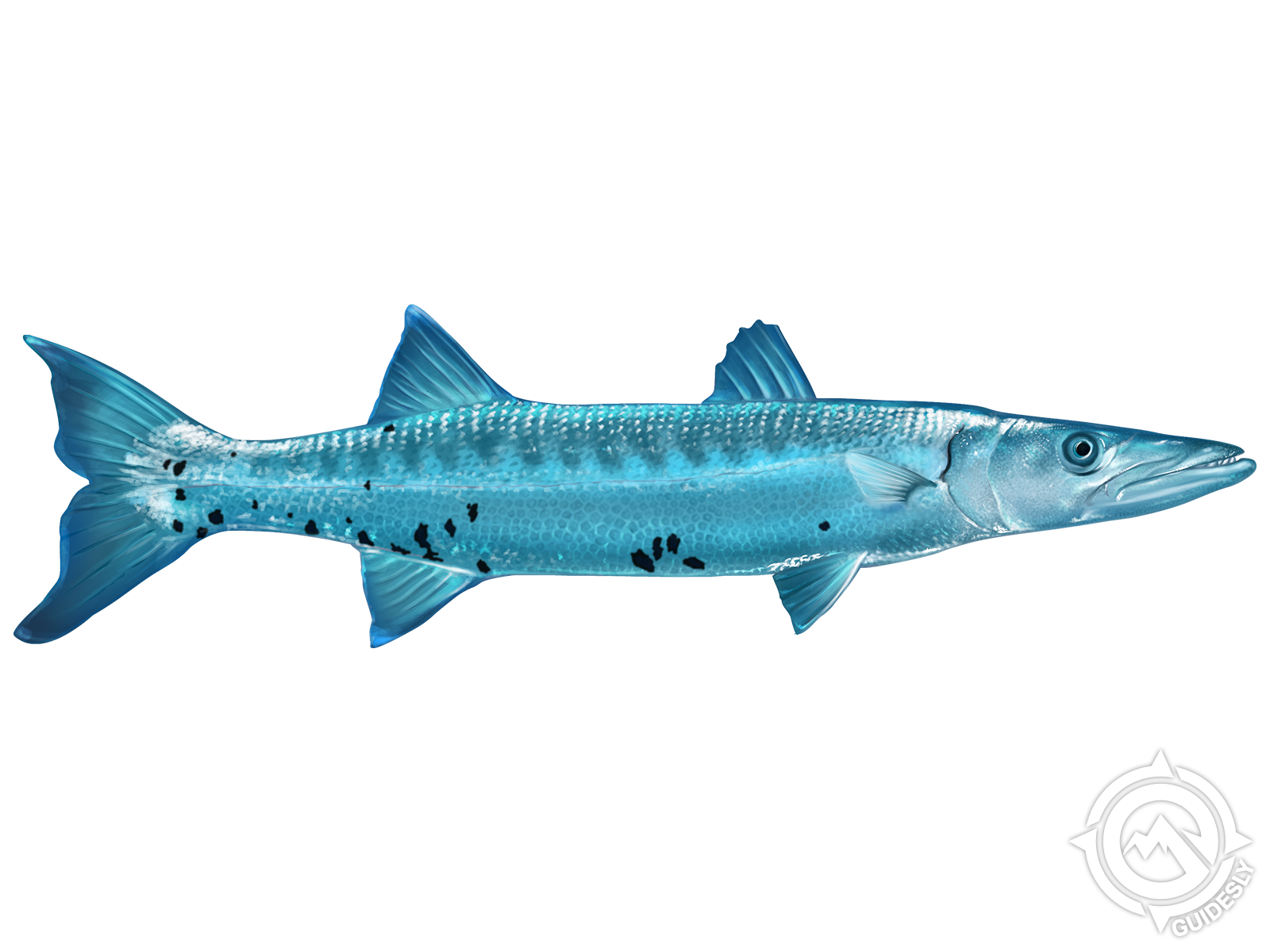 Barracuda
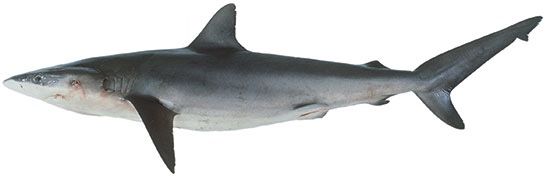 Bull Shark
 Red Snapper
 Tarpon
 Tripletail
- Join Captain Mike for a 4-hour inshore fishing adventure in the Florida Keys backcountry waters around Key Largo. You'll fish the shallow flats aboard his Boston Whaler, targeting barracuda, snapper, tarpon, tripletail, and even bull sharks. This private trip takes up to three guests, making it perfect for families or small groups. Captain Mike knows these waters inside and out, so he'll put you on the fish whether you're a seasoned angler or just starting out. The shallow water fishing here is some of the best in Florida, with clear water and plenty of action. It's a great way to experience what makes Keys fishing so special.
Trip Pricing and Availabilities:
Trip pricing information is temporarily unavailable.
Half Day Inshore Fishing Trip - Florida Keys
If you're looking for authentic Florida Keys fishing without the long boat ride, Captain Mike's half-day inshore trip hits all the right spots. You'll spend four solid hours working the shallow flats and backcountry waters around Key Largo, where the fish are hungry and the scenery never gets old. This isn't some cookie-cutter charter - it's a private trip for up to three people aboard a reliable Boston Whaler, giving you plenty of room to fish without feeling crowded. Whether you're bringing the kids for their first real fishing adventure or you're a seasoned angler wanting to dial in on some specific species, Captain Mike knows these waters like the back of his hand and he'll put you on fish.
What to Expect on the Water
Your day starts early when you meet Captain Mike at the dock in Key Largo. The Boston Whaler is perfect for these shallow water adventures - it draws just enough water to get you into those prime fishing spots that bigger boats can't reach. You'll be targeting the flats and backcountry areas where barracuda patrol the edges, snapper hold tight to structure, and tarpon roll through on their way to deeper water. The beauty of inshore fishing here is the variety - one minute you're sight-casting to a cruising tripletail, the next you're fighting a bull shark that decided your snapper looked like an easy meal. Captain Mike keeps things relaxed but productive, moving between spots based on tides, wind, and what's been biting recently. The four-hour window is perfect for families since it gives everyone plenty of action without wearing out the younger anglers.
Techniques & Tackle Setup
Captain Mike runs a well-equipped boat with quality rods and reels suitable for everything from finicky snapper to hard-fighting tarpon. Depending on conditions and target species, you'll be using a mix of live bait and artificials. For barracuda, nothing beats a flashy spoon or tube lure retrieved fast near the surface - these aggressive predators can't resist that erratic action. When working structure for snapper, you'll likely be dropping live shrimp or small crabs on medium tackle, feeling for that telltale tap before setting the hook. The shallow water here means you can often see your targets, especially tarpon rolling or tripletail hanging around floating debris. Captain Mike will coach you through the different presentations and help adjust your technique based on what's working that particular day. The Boston Whaler's shallow draft lets you get right up into those skinny water spots where the big fish feel safe to feed.
Top Catches This Season
Tarpon are the silver kings of these waters, and even a smaller one will give you a fight you won't forget. These prehistoric-looking fish can range from 20 pounds up to over 100, and they're famous for their spectacular jumps when hooked. Spring through fall is prime tarpon time in the Keys, with the bigger fish moving through during their annual migration. What makes them special is their power - they'll take drag, jump repeatedly, and test every knot on your rig. Captain Mike knows the channels and flats where they like to stage, and he'll have you ready with the right bait when they show up.
Barracuda are the speed demons of the flats, with razor-sharp teeth and lightning-fast strikes that'll wake you up in a hurry. These silver missiles can hit 30-40 mph when they want to, and they're not shy about attacking lures or baits with serious aggression. You'll find them year-round in the Keys, often cruising the edges of flats or hanging around structure. They're perfect for sight-fishing when the water's clear, and watching one charge your lure from 50 feet away never gets old. Just make sure to keep your fingers clear when handling these toothy customers.
Tripletail are one of those quirky species that make Keys fishing so interesting. These odd-looking fish like to hang around floating objects, crab traps, or channel markers, where they sit almost motionless waiting for prey. They're excellent eating and put up a surprising fight for their size, typically running 3-15 pounds in these waters. Summer months are best for tripletail, and Captain Mike has a keen eye for spotting them floating near debris. The challenge is getting them to bite - they can be finicky, but when they do take the bait, they're bulldogs on the line.
Bull sharks bring serious muscle to the party, and running into one while targeting other species always adds excitement to the day. These stocky predators patrol the flats looking for easy meals, and they're not picky about what they eat. You might hook one while fishing for snapper, or Captain Mike might specifically target them if conditions are right. They're incredibly strong fighters that will test your drag system and your arm strength. Most of the bulls you'll encounter run 4-7 feet, but even the smaller ones pack a punch that'll surprise you.
Red snapper are the bread and butter of many Keys trips, offering consistent action and excellent table fare. These bottom-dwellers hang around structure and drop-offs, where they feed on crabs, shrimp, and small fish. They're smart and can be picky about baits, but Captain Mike knows the productive spots and the right presentations to get them fired up. During open season, you can keep them for dinner, and there's nothing better than fresh snapper prepared Keys-style. They typically run 2-8 pounds in the shallows, with occasional bigger fish showing up around deeper structure.
Time to Book Your Spot
This half-day inshore adventure gives you a real taste of what makes Florida Keys fishing so special. You're not just casting lines and hoping for the best - you're fishing with someone who's been working these waters for years and knows where to find the action. The private boat setup means you set the pace, whether that's non-stop fishing or taking time to enjoy the scenery and wildlife. With species like tarpon
Learn more about the species
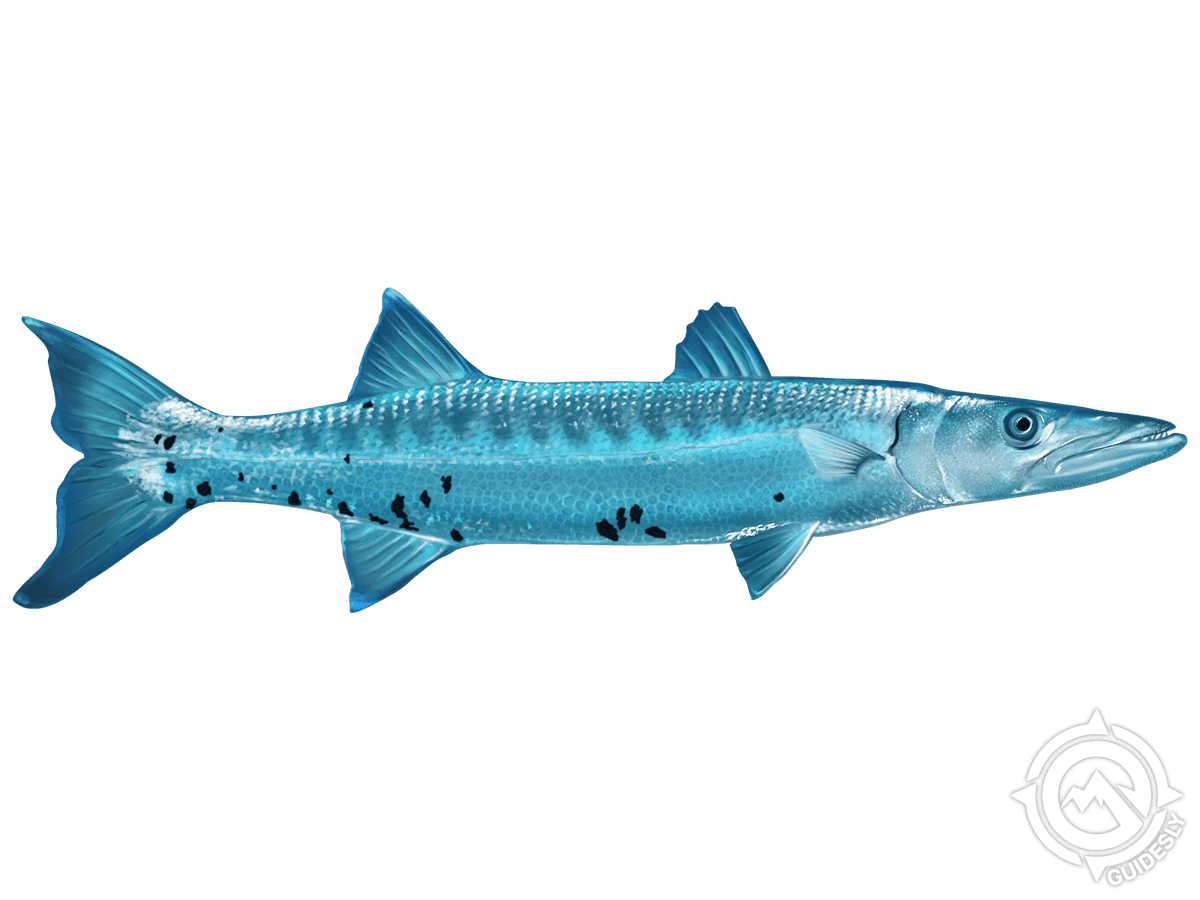
Barracuda
These torpedo-shaped predators are perfect for sight fishing the flats. Most run 2-4 feet long and love cruising shallow grass beds and mangrove edges in 3-8 feet of water. They're year-round residents, but spring and fall offer the most action when baitfish are thick. Cuda fight hard with blistering runs and jumps, plus they'll hit just about any lure that moves. Their razor-sharp teeth and aggressive strikes make for exciting fishing. Fair warning - they're drawn to shiny objects, so keep jewelry tucked away. Here's a trick that works: cast your lure well past a cruising cuda and retrieve it right across their nose. They can't resist that aggressive presentation, and the strike will get your heart pumping every time.
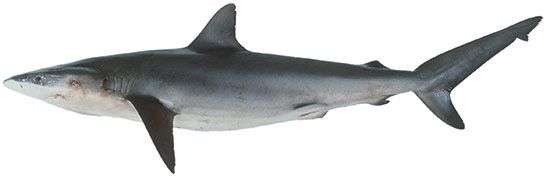
Bull Shark
These stocky, gray bruisers are the ultimate inshore shark experience. Most bulls we see run 6-8 feet and 150-250 pounds, with females being bigger. They love shallow bays, creek mouths, and flats edges in 8-20 feet of water, especially where fresh and saltwater mix. Summer brings the most activity when water temps climb. Bulls are pure power - once hooked, they make long runs and fight dirty. The thrill is landing a true apex predator in skinny water where you'd never expect them. They're catch-and-release only, but the fight alone makes it worthwhile. Pro tip: use fresh eel or cut bait on a circle hook with wire leader. Set up near moving water during tide changes - that's when they hunt most actively.
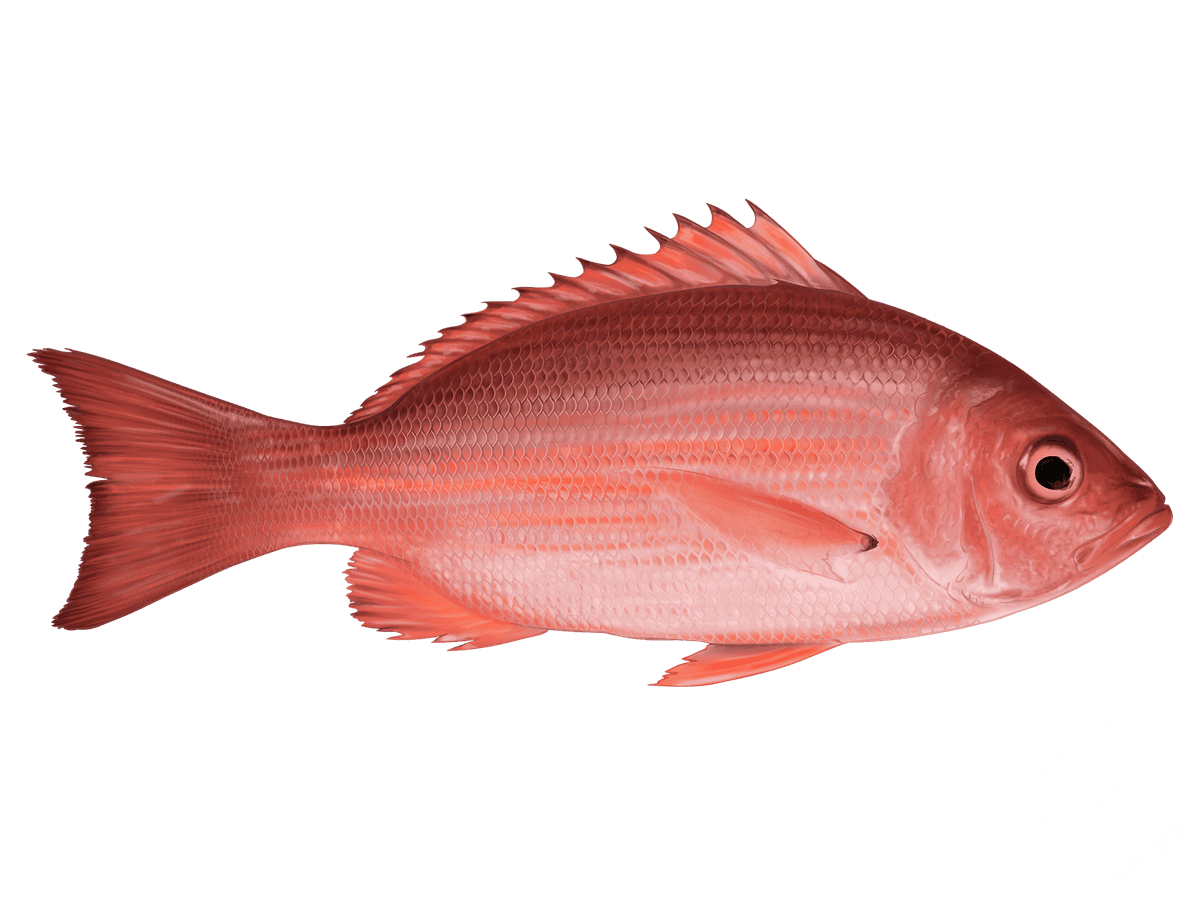
Red Snapper
These crimson beauties are what many folks consider the ultimate eating fish. Most run 2-4 pounds in our waters, but bigger ones hit 8-12 pounds around structure. Find them near wrecks, ledges, and rocky bottom in 40-100 feet of water. Summer is peak season when they move shallower to spawn. Snapper fight smart - they'll head straight for cover to break you off, making every hookup a chess match. The real prize is the dinner table though - sweet, firm white meat that's hard to beat. They're also fun for kids since they bite readily. Here's my secret: use a knocker rig with live pinfish or fresh squid. Drop it straight down and keep slight tension - when they pick it up, reel hard and fast before they reach the rocks.
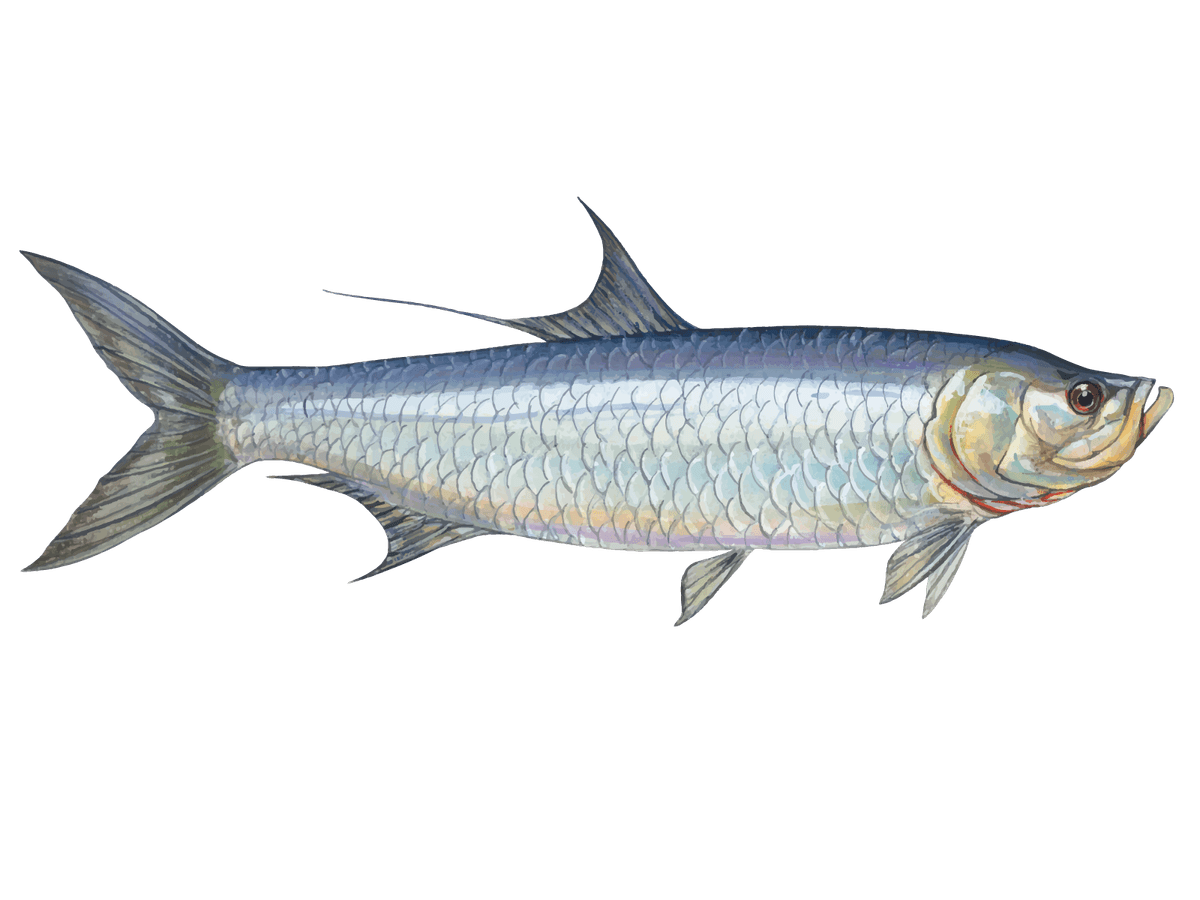
Tarpon
The "silver king" of the Keys - these prehistoric giants average 4-6 feet and 80-100 pounds, but can hit 8 feet and 280 pounds. Tarpon hang around deeper channels between flats, bridge pilings, and harbor areas in 6-20 feet of water. Spring through fall is prime time, especially May to July when they're rolling on the surface. What makes them special? Those legendary jumps - watching a 150-pound tarpon launch 10 feet in the air never gets old. They're strictly catch-and-release due to their slow growth and conservation status. My tip: when you see one jump after the hookset, bow to the fish by dropping your rod tip toward the water. It reduces tension and keeps them pinned during those wild aerial shows.
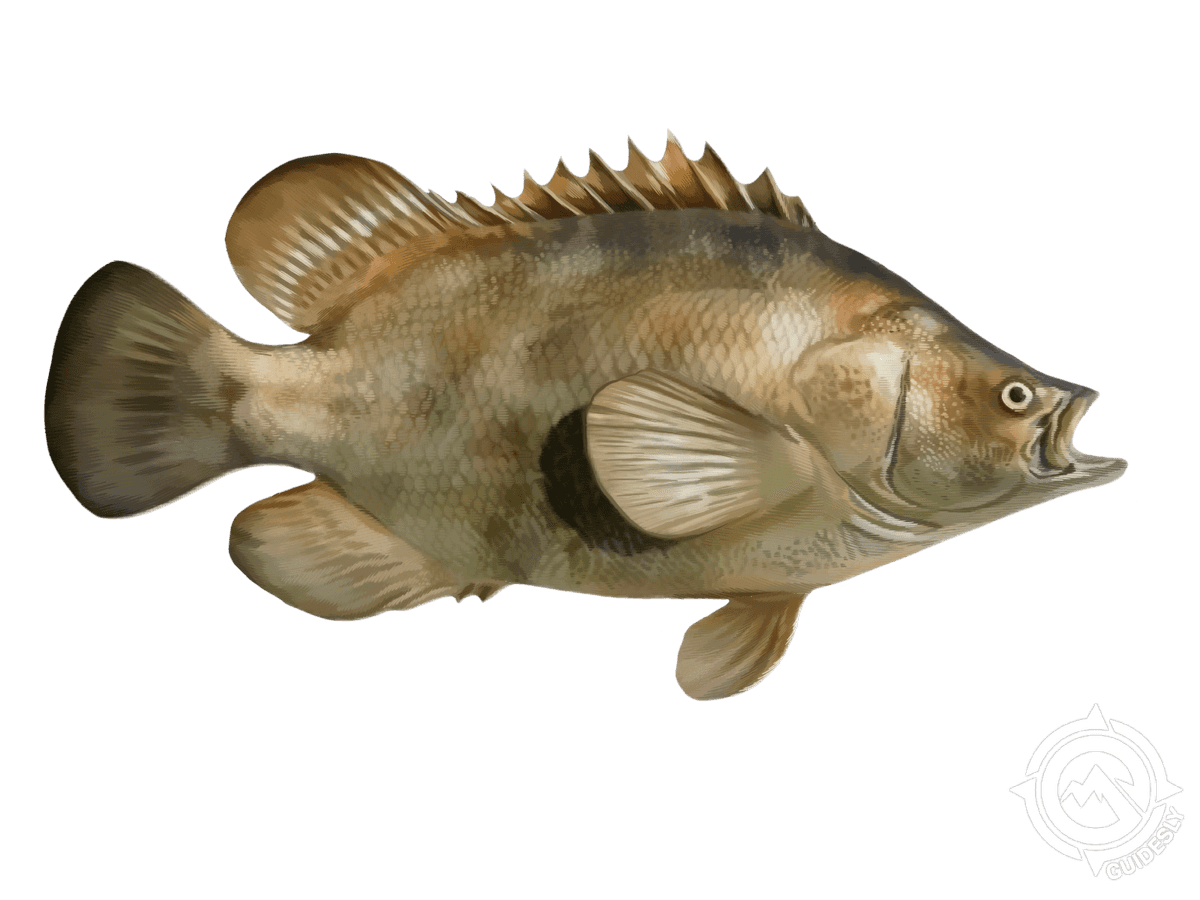
Tripletail
These odd-looking fish are real gems when you find them floating near the surface like dead leaves. They typically run 2-5 pounds inshore, but bigger ones push 10-15 pounds. Look for them around weed lines, channel markers, and floating debris where they ambush baitfish. Summer months are best when they move into our shallow bays. What's cool about tripletail? They're scrappy fighters that can change color, and the meat tastes like grouper or snapper - really excellent eating. They spook easily though, so stealth is key. My go-to approach: spot one lying on its side near cover, cast well beyond it, then slowly work your bait or jig past them. Let them come to you rather than dropping it right on their head.
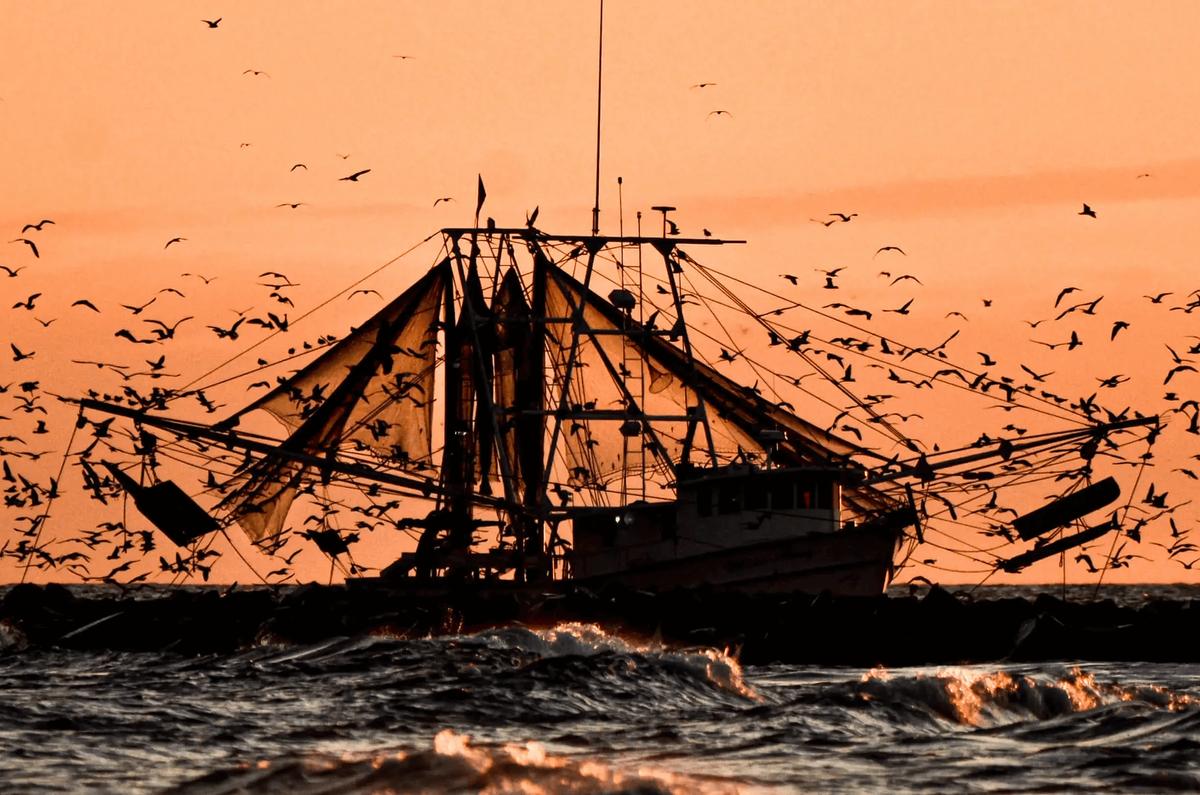
About the Boston Whaler boat
Vehicle Guest Capacity: 4
Manufacturer Name: Yamaha
Maximum Cruising Speed: 21
Number of Engines: 1
Horsepower per Engine: 35