%2Ffit-in%2F250x250%2Fguide_websites%2F120855%2Fimages%2F1772761195569d4a6c463-5de6-4e59-bf71-b6d0a4ee832d.png&w=1920&q=100)
/users/1baa4d91-b623-44cb-9e2e-c506f0c70066/ratecard/548299304_122100593847021406_2354107929830038511_n-mme7vmft.jpg)
%2F300x300%2Fusers%2F1baa4d91-b623-44cb-9e2e-c506f0c70066%2Fratecard%2F548299304_122100593847021406_2354107929830038511_n-mme7vmft.jpg&w=256&q=75)
%2F300x300%2Fusers%2F1baa4d91-b623-44cb-9e2e-c506f0c70066%2Fimages%2Fkey-largo-tuna-fishing-success-2712.jpg&w=256&q=75)
%2F300x300%2Fusers%2F1baa4d91-b623-44cb-9e2e-c506f0c70066%2Fimages%2Fkey-largo-yellowfin-fishing-charter-2694.jpg&w=256&q=75)
%2F300x300%2Fusers%2F1baa4d91-b623-44cb-9e2e-c506f0c70066%2Fimages%2Fkey-largo-mahi-mahi-catch-2462.jpg&w=256&q=75)
%2F300x300%2Fusers%2F1baa4d91-b623-44cb-9e2e-c506f0c70066%2Fimages%2Fkey-largo-black-grouper-catch-2340.jpg&w=256&q=75)
%2F300x300%2Fusers%2F1baa4d91-b623-44cb-9e2e-c506f0c70066%2Fimages%2Fkey-largo-mahi-mahi-triple-2499.jpg&w=256&q=75)
%2F300x300%2Fusers%2F1baa4d91-b623-44cb-9e2e-c506f0c70066%2Fimages%2Fcharter-fishing-key-largo-2550.jpg&w=256&q=75)
%2F300x300%2Fusers%2F1baa4d91-b623-44cb-9e2e-c506f0c70066%2Fimages%2Fkey-largo-swordfish-catch-2647.jpg&w=256&q=75)
%2F300x300%2Fusers%2F1baa4d91-b623-44cb-9e2e-c506f0c70066%2Fimages%2Fkey-largo-yellowfin-tuna-catch-2445.jpg&w=256&q=75)
%2F300x300%2Fusers%2F1baa4d91-b623-44cb-9e2e-c506f0c70066%2Fimages%2Fkey-largo-wahoo-fishing-catch-2624.jpg&w=256&q=75)
%2F300x300%2Fusers%2F1baa4d91-b623-44cb-9e2e-c506f0c70066%2Fimages%2Fspanish-mackerel-key-largo-fishing-2504.jpg&w=256&q=75)
Beginner Offshore Fishing Florida Keys Charter
 Florida Keys
What you will be catching:
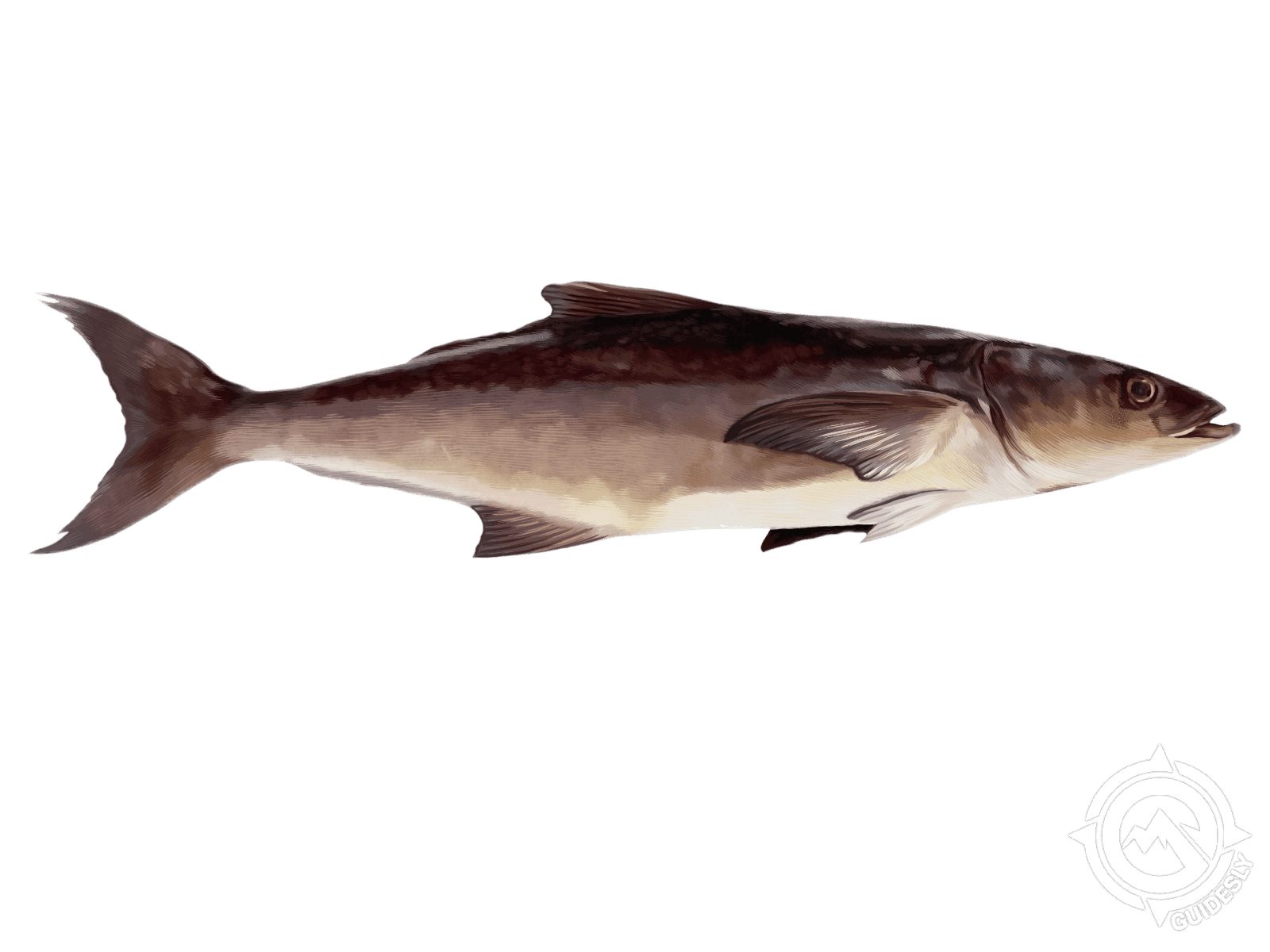
 Cobia
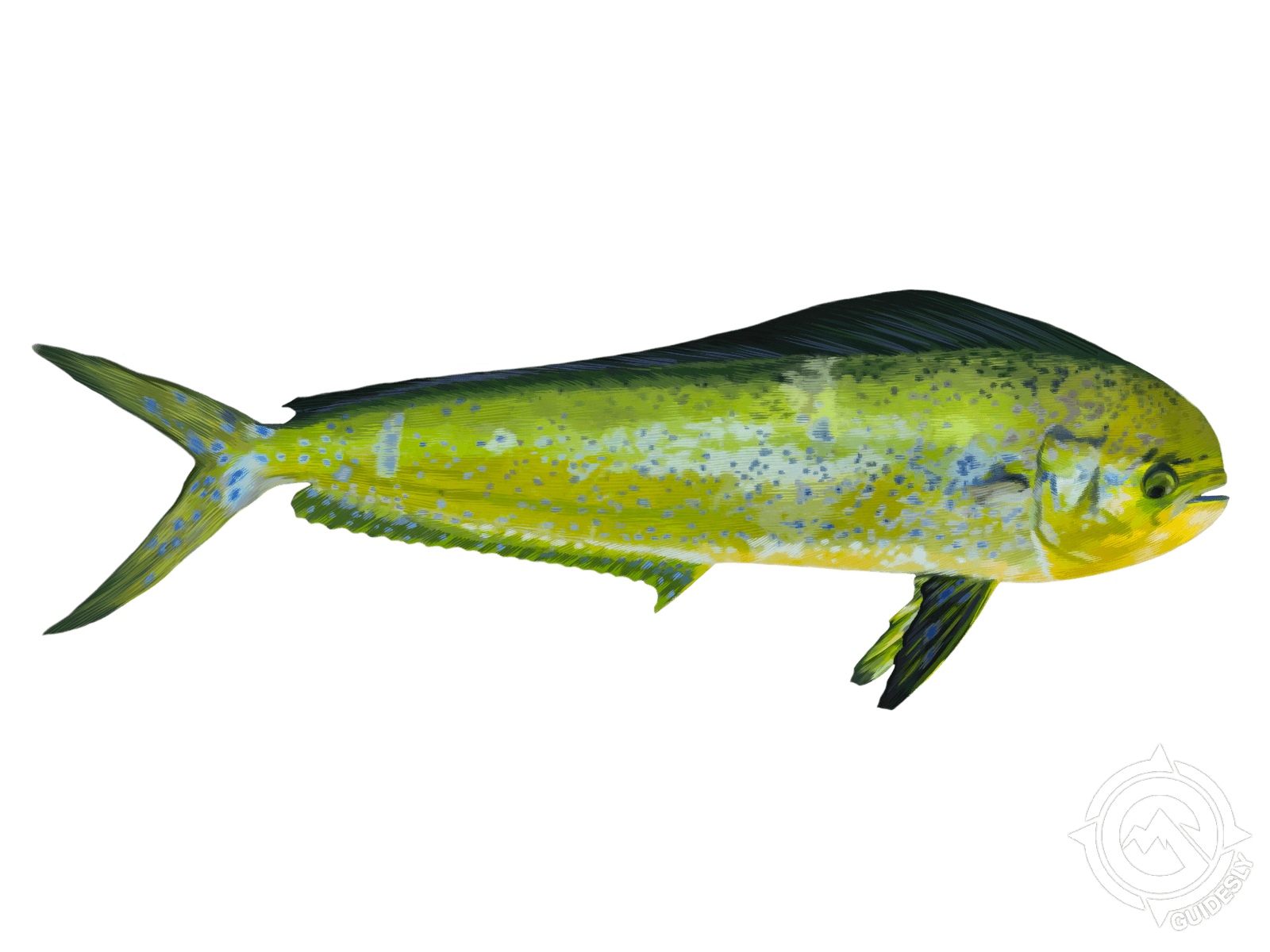
Cobia Mahi Mahi or Common Dolphinfish
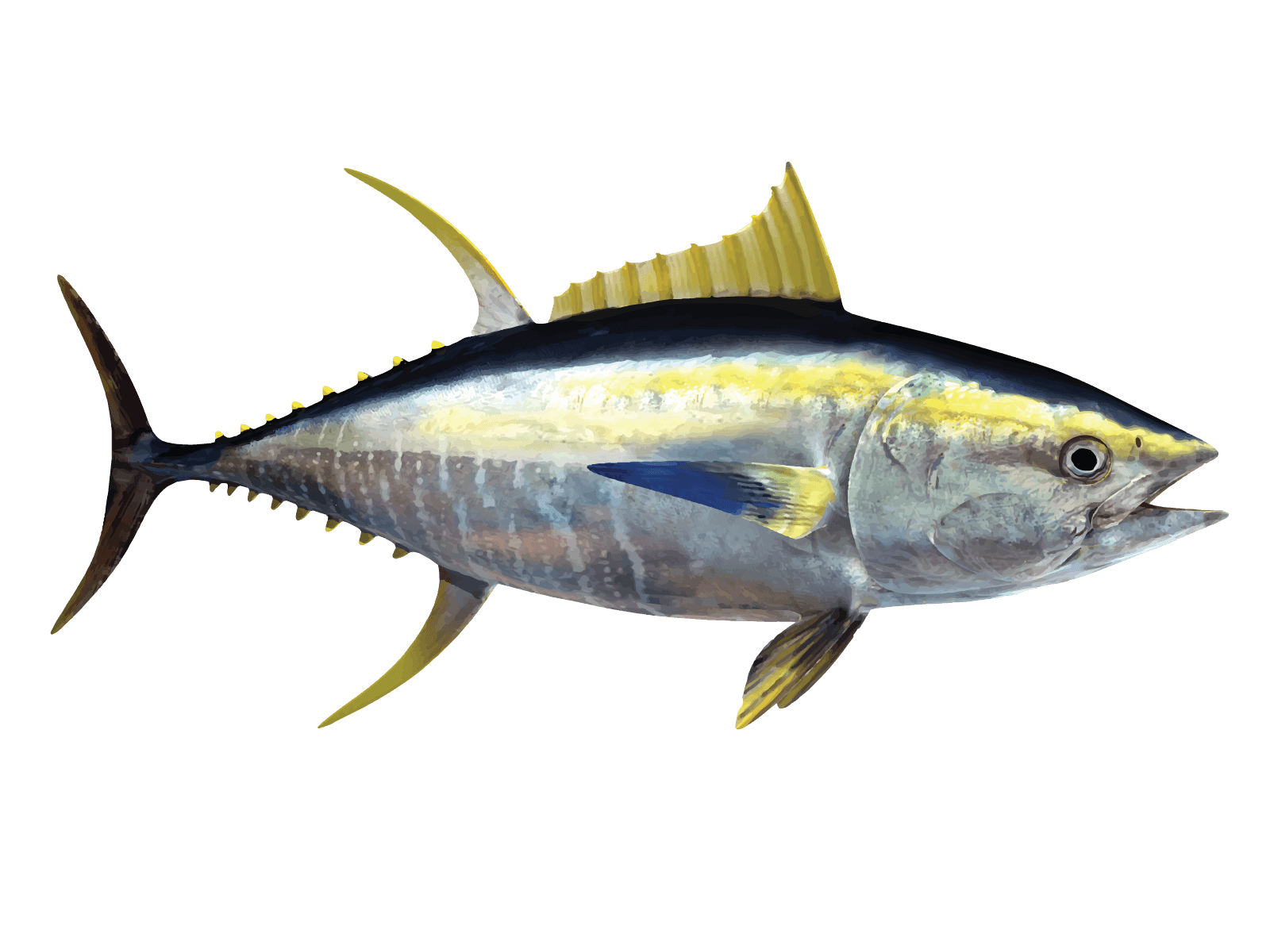
 Yellowfin Tuna
- Join Captain Mike for an 8-hour offshore fishing adventure in the Florida Keys that's perfect for beginners. You'll head out on his stable 34-foot Luhrs to target cobia, mahi-mahi, and yellowfin tuna in the deep waters around the Keys. This isn't just about dropping a line – Captain Mike works with you hands-on, sharing local techniques and helping you read the water like the pros do. With room for up to five people, it's great for families or small groups who want to learn proper offshore fishing without feeling rushed. You'll spend the day in some of Florida's best fishing waters with a captain who knows these reefs and drop-offs inside and out.
Trip Pricing and Availabilities:
Full Day Offshore Fishing in the Florida Keys
Looking to get into offshore fishing but not sure where to start? Captain Mike's got you covered on this full-day adventure that's designed specifically for beginners who want to experience the real deal without feeling overwhelmed. We're talking about an 8-hour trip aboard his rock-solid 34' Luhrs, heading out to the deep blue waters where the big fish live. This isn't some rushed half-day thing – you'll have plenty of time to learn the ropes, practice different techniques, and hopefully land some serious fish. The boat handles up to five guests, so it's perfect for families or small groups who want personalized attention from a captain who actually enjoys teaching newcomers the art of offshore fishing.
What to Expect on the Water
Your day starts early – that's just how offshore fishing works if you want to hit the prime bite times. Captain Mike will walk you through everything before we even leave the dock, explaining the game plan and showing you the gear we'll be using. The 34' Luhrs is built for these waters, with plenty of room to move around and fish comfortably even when the seas pick up a bit. We'll cruise out to productive offshore grounds where cobia patrol the weed lines, mahi-mahi chase baitfish under floating debris, and yellowfin tuna cruise the deeper waters. The vibe is relaxed but focused – this is real fishing, not a tourist boat ride. You'll learn to read the water, understand what the fish finder is telling us, and pick up techniques that'll serve you well on future trips. Captain Mike has been working these waters long enough to know where the fish are and how to put beginners on them without making it feel like work.
Trolling Tactics & Live Bait
Offshore fishing in the Keys is all about covering water and presenting baits where predators are hunting. We'll spend time trolling with both artificial lures and live bait, depending on what the fish are showing us. Captain Mike will teach you how to work a trolling rod properly – it's not just about holding on and hoping. You'll learn to feel the difference between a weed hit and a fish strike, how to clear lines when multiple fish hit at once, and the proper way to fight fish from a fighting chair. When we find floating debris or weed lines, we'll switch to live bait fishing, which is where things get really exciting. Watching a mahi-mahi or cobia come up to investigate your bait is something you don't forget. The captain provides all tackle, bait, and gear – you just need to bring sunscreen, snacks, and drinks for the day. He'll handle the technical stuff while coaching you through every step of the process.
Top Catches This Season
Cobia are absolute bruisers that'll test your arms and your drag system. These fish can push 40-50 pounds and they fight like submarines – long, powerful runs that'll have you wondering if you bit off more than you can chew. Spring and early summer are prime time for cobia in the Keys, when they're moving along the reef line and cruising around floating debris. What makes them so exciting for beginners is that you can often see them before they hit your bait, watching them circle and investigate before committing to the strike. Captain Mike knows how to spot their dark shadows in the water and position the boat for the best presentation.
Mahi-mahi are the acrobats of the offshore world, jumping and tail-walking when hooked, putting on a show that'll have everyone on the boat cheering. These fish travel in schools, so when you find one, there are usually more around. They're attracted to any kind of floating structure – weed lines, debris, even floating trash – where smaller baitfish hide. Mahi season runs strong from late spring through fall, with the bigger bulls showing up in summer. They hit hard and fight harder, making long runs and spectacular jumps that test your reflexes and rod-handling skills. Plus, they're absolutely delicious if you decide to keep a few for dinner.
Yellowfin tuna are the speed demons that separate casual anglers from serious offshore fishermen. These fish are built for speed and endurance, capable of peeling off hundreds of yards of line in seconds. In the Keys, we typically target smaller yellowfins in the 15-30 pound range, but even these "small" ones will give you a workout you won't forget. They're most active during cooler months, from fall through early spring, when they move closer to shore following bait schools. What makes yellowfin so special is their pure athletic ability – they're like the Formula One cars of the fish world, engineered for performance and built to run hard.
Time to Book Your Spot
This trip delivers exactly what it promises – a genuine offshore fishing experience that's accessible to beginners without dumbing down the real thing. Captain Mike's approach is all about building confidence while teaching proper techniques, so you'll walk away with actual skills instead of just photos. The 8-hour format gives you time to try different approaches and really get comfortable with offshore fishing, while the 5-person limit ensures everyone gets plenty of hands-on instruction. Whether you land a trophy fish or just spend the day learning from an experienced captain, you'll understand why offshore fishing in the Florida Keys keeps drawing people back year after year. Don't wait too long to book – the best fishing days fill up fast, especially during peak season when the fish are most active.
Learn more about the animals
Cobia
These dark brown fish with lighter bellies are often mistaken for sharks due to their single dorsal fin, but they're actually fantastic eating and great fighters. Most cobia we catch run 30-50 pounds, though they can reach over 100. They're loners, not schooling fish, so we typically find them around wrecks, reefs, and buoys in 30-70 feet of water. Spring through fall is prime time here in the Keys when they move into our warmer waters. What makes them special is their curiosity - they'll actually follow the boat and investigate lures. The meat is firm and white, perfect for grilling. Pro tip: when you spot one, don't rush the cast. Let it get comfortable near the boat first, then present your bait slowly. They're smart fish that spook easily if you're too aggressive.
Mahi Mahi or Common Dolphinfish
Mahi are the most colorful fish you'll catch out here, flashing gold, green, and electric blue until they fade after landing. They average 15-30 pounds and love hanging under floating debris, weed lines, or anything drifting on the surface. We find them year-round in the Keys, but spring through fall gives us the best action when they're most active. What makes them special is the aerial show - they jump, tail-walk, and put on a real spectacle when hooked. The white, flaky meat is sweet and mild, perfect for the dinner table. They're also curious fish that travel in small groups, so catching one often means more nearby. Best tip: once you hook one, keep it in the water while rigging another rod. The splashing will often keep the school around for multiple hookups.
Yellowfin Tuna
Yellowfin are the speed demons of the deep, hitting 50 mph with their torpedo-shaped bodies and bright yellow fins. Most fish we land are 40-80 pounds, though they can grow much larger. These warm-blooded predators cruise the upper 100 feet of water year-round in our tropical waters, constantly on the move. They're available all seasons, but summer months can be particularly productive when bait concentrations draw them closer. What guests love most is the raw power - once hooked, they make blistering runs that'll test your arms and drag system. Plus, the meat is sushi-grade, some of the best eating you'll find offshore. My go-to technique when trolling isn't working is to start chunking bait to bring them up from the depths. Works like magic when they're being finicky.
About the Luhrs 34'
%2F%2Fusers%2F1baa4d91-b623-44cb-9e2e-c506f0c70066%2Fvehicle_picture%2Freelkeysfishingcharterluhrsboatpicture-1-mme6n6dn.jpg&w=1920&q=75)
Vehicle Guest Capacity: 5
Manufacturer Name: Caterpillar
Maximum Cruising Speed: 20
Number of Engines: 2
Horsepower per Engine: 316